Lucknow Coaching Centre Fire Tragedy 2026: Fire Safety Lessons Every Educational Institution Must Learn
09 Jul
Posted By Asian Institute of Professional & Skill Education
Lucknow Coaching Centre Fire Tragedy 2026: A Wake-Up Call for Fire Safety in Educational Institutions
Introduction
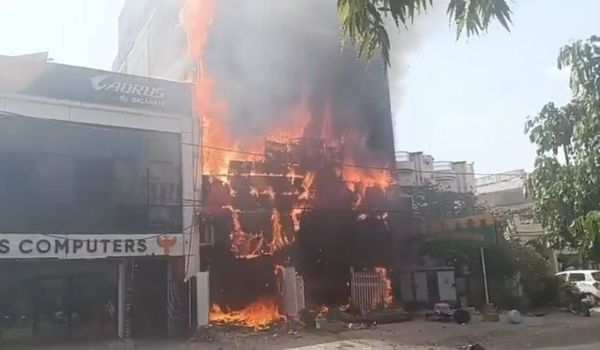
A devastating fire at an animation coaching centre in the Aliganj area of Lucknow, Uttar Pradesh, has shocked the entire nation. According to official information, 15 people, mostly students aged between 16 and 25 years, lost their lives, while six others sustained injuries and were admitted to King George's Medical University (KGMU), Lucknow for treatment.
Most of the victims reportedly died due to suffocation caused by smoke inhalation, highlighting one of the most dangerous aspects of building fires. The incident has once again emphasized the urgent need for stronger fire safety, effective emergency preparedness, and strict compliance with fire safety regulations in educational institutions and commercial buildings.
What Happened?
The fire reportedly broke out inside an animation coaching centre operating above a shop in the Puraniya area of Aliganj.
The building housed multiple commercial establishments, including:
Coaching institutes
Game zones
Showrooms
Retail shops
According to reports, the flames spread rapidly through the building, trapping many students inside.
Eyewitnesses stated that several people attempted to escape by jumping from the first floor, while firefighters had to break through a wall to enter the building and rescue those trapped inside.
Emergency response teams, including the Fire Brigade, Police, and District Administration, immediately reached the scene and launched rescue and evacuation operations.
Official Response
Following the incident:
Uttar Pradesh Deputy Chief Minister Brijesh Pathak announced that a high-level committee headed by senior state officials would investigate the incident and determine its causes to help prevent similar tragedies.
Chief Minister Yogi Adityanath returned to Lucknow, inspected the accident site, visited the injured in hospital, and stated that those found responsible after the investigation would face legal action.
President Droupadi Murmu, Vice President Jagdeep Dhankhar (if applicable, use the current officeholder at publication), and Prime Minister Narendra Modi expressed condolences to the families of the victims.
At the time of writing, the official investigation is ongoing, and authorities have not released final findings regarding the cause of the fire.
Smoke Inhalation: The Silent Killer During Fires
While flames often receive the most attention, smoke is responsible for many fire-related fatalities worldwide.
Smoke can contain:
Carbon monoxide
Toxic gases
Reduced oxygen
Fine particulate matter
Hot combustion products
In enclosed buildings, smoke spreads rapidly through corridors, stairwells, and ventilation systems, reducing visibility and making evacuation difficult.
This tragic incident underscores why effective smoke management systems and evacuation planning are critical components of modern fire engineering.
Why Fire Engineering Is Critical
Fire engineering involves designing buildings that reduce fire risks and provide occupants with safe evacuation routes during emergencies.
Fire engineers evaluate:
Building design
Occupancy levels
Escape routes
Smoke movement
Fire-resistant construction
Emergency exits
Alarm systems
Fire suppression systems
Proper fire engineering can significantly reduce casualties by allowing people to evacuate quickly before smoke conditions become life-threatening.
Fire Safety Challenges in Educational Institutions
Educational institutions often accommodate large numbers of students within confined spaces.
Common fire safety challenges include:
Overcrowded classrooms
Blocked emergency exits
Insufficient ventilation
Lack of evacuation planning
Inadequate fire drills
Absence of trained emergency response teams
Electrical overloading
Poor maintenance of safety equipment
Addressing these issues requires proactive planning rather than reactive measures.
The Importance of Fire Safety Regulations
Compliance with fire safety regulations is essential for schools, coaching centres, colleges, shopping complexes, and commercial buildings.
Effective compliance includes:
Approved building occupancy limits
Functional fire alarm systems
Accessible emergency exits
Clearly marked evacuation routes
Routine maintenance of fire safety equipment
Periodic fire safety audits
Staff and student awareness programs
Regular inspections help identify hazards before they lead to emergencies.
Essential Fire Safety Equipment Every Coaching Centre Should Have
Every educational institution should maintain:
Fire extinguishers suitable for different fire classes
Automatic fire alarm systems
Smoke detectors
Emergency lighting
Exit signage
Fire hydrants (where applicable)
Sprinkler or other fire suppression systems, depending on the building design
First-aid kits
Public address systems
Emergency assembly points
All equipment should be inspected and maintained according to applicable standards.
Emergency Preparedness Saves Lives
Preparedness is one of the most effective ways to reduce casualties during fires.
Institutions should:
Conduct regular evacuation drills
Train students and staff in emergency procedures
Display evacuation maps prominently
Ensure exits remain unobstructed
Establish emergency response teams
Coordinate with local fire services
Students should know exactly where to go and what to do during an emergency.
Fire Safety Tips for Students
Students can improve their personal safety by following these guidelines:
Identify the nearest emergency exit upon entering a building.
Do not block stairways or exits.
If smoke is present, stay low while evacuating.
Avoid using lifts during a fire.
Follow instructions from emergency responders.
Report damaged electrical equipment or exposed wiring.
Participate seriously in fire drills.
These simple actions can make a significant difference during emergencies.
The Role of Fire Safety Education
Professional fire safety training equips individuals with the knowledge to identify hazards, prevent incidents, and respond effectively.
Courses commonly cover:
Fire prevention
Fire safety management
Emergency response
Disaster management
Fire risk assessment
Fire safety audit
Use of fire safety equipment
Evacuation planning
Training benefits not only future professionals but also organizations seeking to improve workplace safety.
Career Opportunities in Fire Safety
Growing awareness of safety has increased demand for qualified professionals in:
Fire Engineering
Fire Safety Management
Industrial Fire Safety
Commercial Fire Safety
Fire Protection Engineering
Fire Safety Auditing
Emergency Management
Disaster Management
Career roles include Fire Safety Officer, Fire Engineer, Safety Supervisor, Emergency Response Officer, Fire Technician, and Fire Inspector, among others.
Conclusion
The tragic loss of young lives in the Lucknow coaching centre fire serves as a painful reminder that fire safety is not optional—it is a fundamental responsibility.
While authorities continue to investigate the circumstances surro
unding this incident, organizations, educational institutions, building owners, and policymakers can use this moment to strengthen fire safety practices, improve emergency preparedness, and reinforce compliance with applicable safety standards.
Investing in robust fire engineering, effective evacuation planning, regular safety audits, and continuous fire safety education can help reduce the risk of similar tragedies in the future.
Our thoughts remain with the victims, their families, and everyone affected by this heartbreaking incident.

✖